
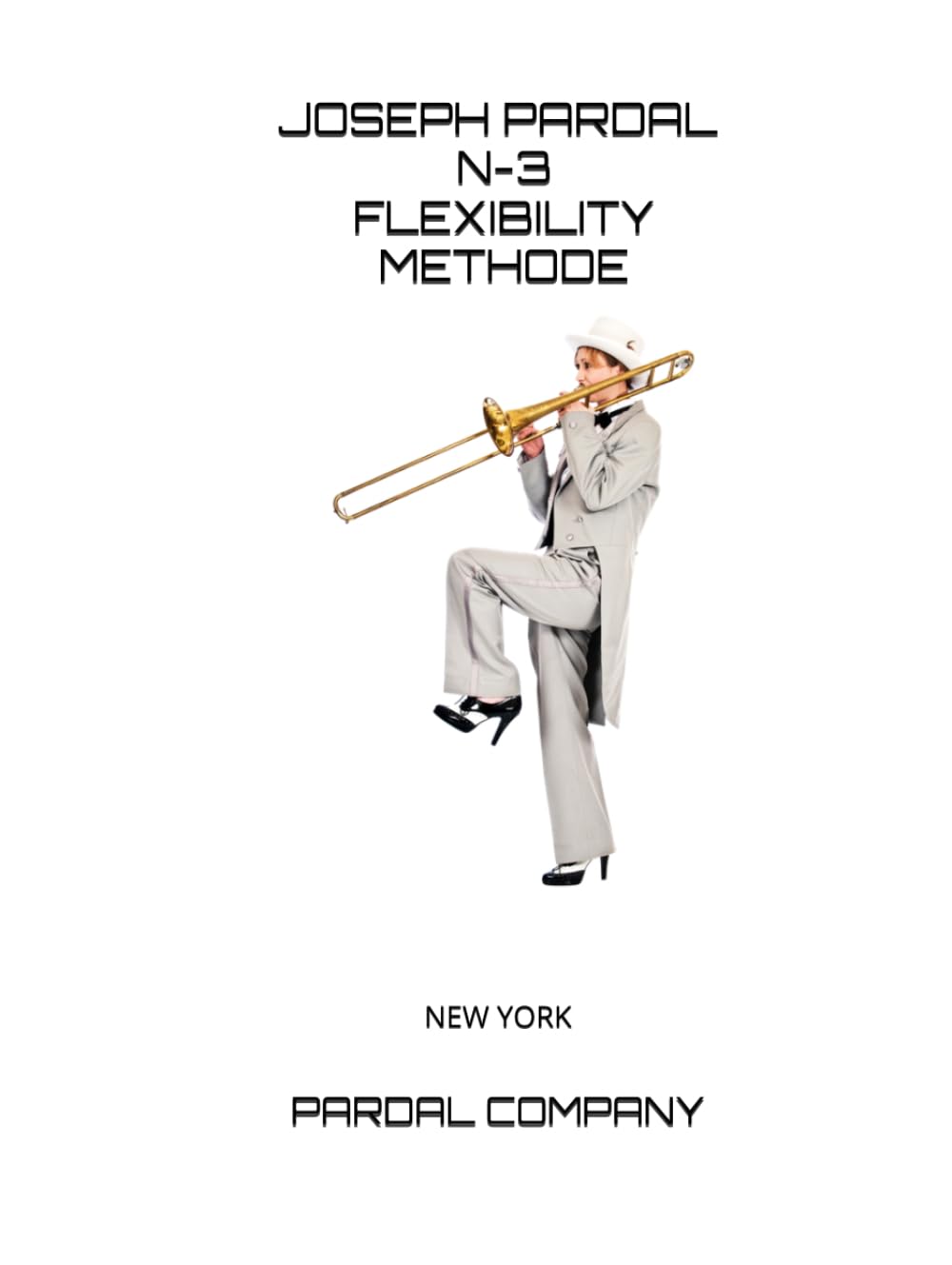
JOSEPH PARDAL N-3 FLEXIBILITY METHODE: NEW YORK
Product details
| Management number | 232031052 | Release Date | 2026/06/18 | List Price | $10.66 | Model Number | 232031052 | ||
|---|---|---|---|---|---|---|---|---|---|
| Category | |||||||||
Flexibility book for jazz trombone, classical, etc. In the world of brass instrument players, many hobbies and diseases develop, such as Bell's palsy, oromandibular dystonia, bruxism, Satchmo syndrome and anxiety scenic. Wind instrumentalists are the most affected and represent 70% of patients in the profession. A 2009 study of 450 musicians from Argentina found that 53% had ever suffered muscle, tendon and joint injuries, 22% due to trauma and 17% due to dystonia.Dystonia is a less frequent syndrome, but it also affects musicians, generating problems in the central nervous system, with involuntary movements triggered by a certain repetitive act. Oromandibular dystonia is a focal dystonia characterized by involuntary spasms of the masticatory, facial and lingual. Different forms of oromandibular dystonia are distinguished: open, with lateral deviation and closed depending on the affected muscles.Oromandibular closure dystonia is caused byDystonic spasms of the temporalis and masseter musclesMainly in this group suffer problems in the muscles of the lips.Satchmo syndrome, which is a muscle tear due to the effort of said muscle to sound the instrument.Oromandibular dystonia Disorders of the temporomandibular joint, the symptoms of which increase especially during practice. Playing wind instruments damages the blood vessels in the brain. Like athletes, they require regular and regular warm-up, especially for beginners. Coordination of the muscles of the face, lips and tongue helps to breathe! Knowing the correct way to warm up prevents medical sequelae, such as tears, and drastically improves performance!All this heating is coordinated with the facial muscles, the air, the lungs and the diaphragm, which is one of the strongest muscles in the human body. The diaphragm, located below the lungs, is the main muscle for breathing. It is an elongated, dome-shaped muscle that contracts rhythmically and continuously and, most of the time, involuntarily. As you inhale, the diaphragm contracts and flattens, and the chest cavity widens. This contraction creates a vacuum that draws air into the lungs. As you exhale, the diaphragm relaxes back into its dome shape and air is expelled from the lungs. Some emotions such as sadness, fear, anxiety or stress can influence diaphragmatic activity or its proper functioning. In turn, these emotions can cause alterations in the perception of pain. The activity of the diaphragm is also fundamental in maintaining posture and changes in body position, both because of its location and its insertion areas in the center of the body, and because of its isolated contractions; which has been shown to produce postural alterations depending on the position in which we find ourselves. At the level of the circulatory system, the diaphragm facilitates venous and lymphatic return; This is because their movements can cause changes in body pressure. This function will be important for the absorption of substances from the peritoneal cavity, as well as for good blood circulation in the liver and abdomen. The pressures on the abdominal viscera produced by the movement of the diaphragm favor peristaltic movements and digestive function. In turn, its gastroesophageal function is also relevant, since the crural part of the diaphragm prevents gastroesophageal reflux and is involved in other important processes. Full control of the diaphragm is important for playing any wind instrument. Jose Pardal Read more
| ASIN | B0BYM1HR6C |
|---|---|
| ISBN13 | 979-8387212246 |
| Language | English |
| Publisher | Independently published |
| Dimensions | 8.49 x 0.47 x 11.24 inches |
| Book 3 of 4 | JOSEPH PARDAL FLEXIBILITY METHODE NEW YORK |
| Item Weight | 13.1 ounces |
| Print length | 121 pages |
| Publication date | March 16, 2023 |
Bestseller ranking
Trombones


Customers who viewed this product also viewed
Adjustable Handles




Correction of product information
If you notice any omissions or errors in the product information on this page, please use the correction request form below.
Correction Request Form